
+ view the comments
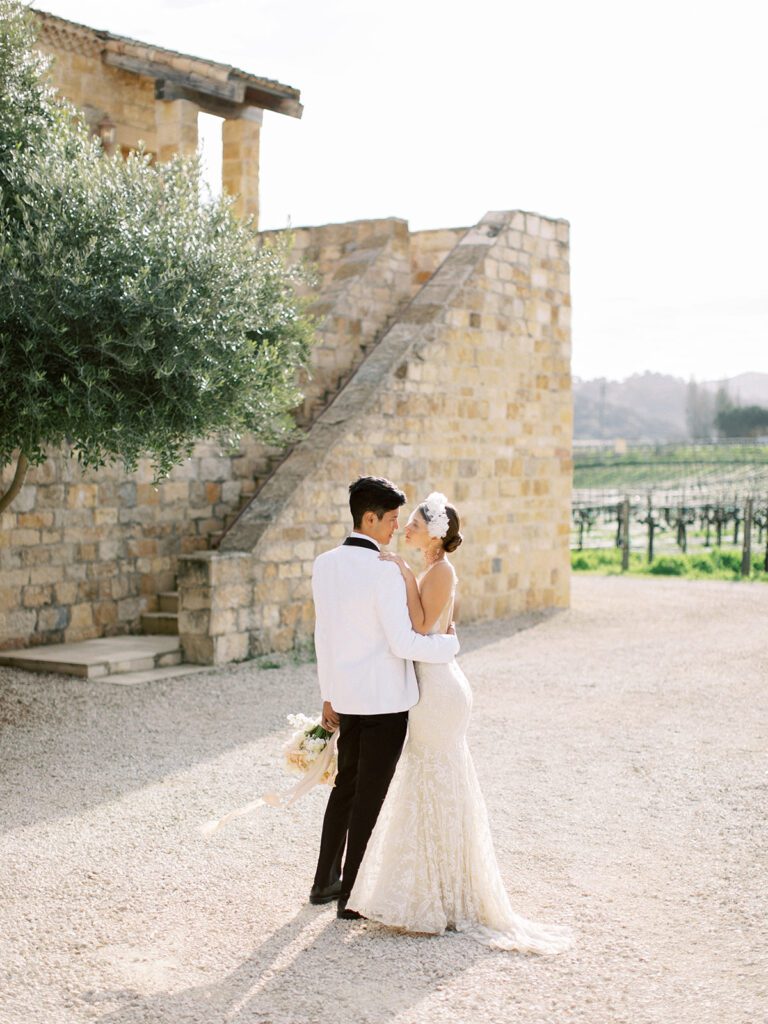
As a wine country wedding planner, I love watching couples discover the magic of a luxury wine country wedding. It is not coastal or city, it’s a slower, warmer experience. It’s often shaped by landscape, privacy, hospitality, and the feeling of being surrounded by vineyards and estates naturally designed for guest experience.
There is a particular kind of quiet that settles over a vineyard estate in the late afternoon. The light softens, the rows grow still, and for a moment, everything feels effortless. As a wine country wedding planner, I’ve learned that feeling isn’t accidental. It comes from thoughtful planning long before guests arrive. That planning allows the atmosphere, the beauty, and the logistics to work together without asking couples to compromise.
Planning a Luxury Wine Country Wedding
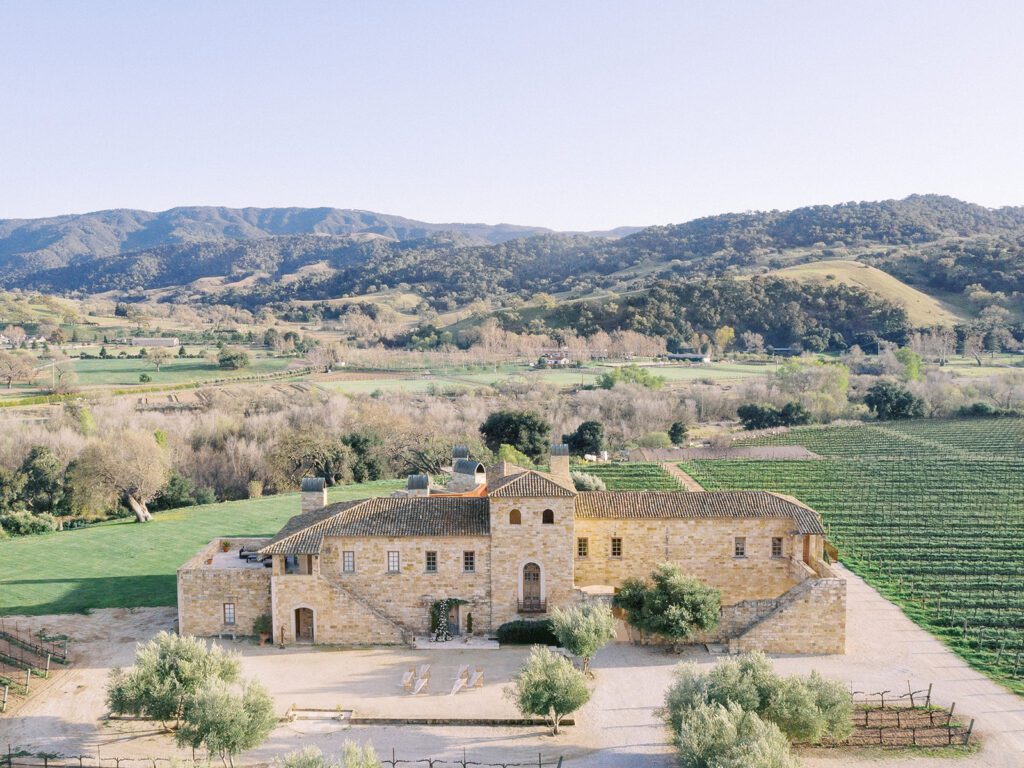
Wine country has a natural pull for destination weddings because it offers both an elevated atmosphere and an intimate setting. It carries a sense of privacy that many couples are drawn to, especially when planning a celebration that unfolds over several days. Vineyard estates and private properties often create an atmosphere that feels removed from everyday life. Guests arrive to rolling vineyards. Through hospitality, wine culture, and a slower pace, the experience becomes something they carry home long after the weekend ends.
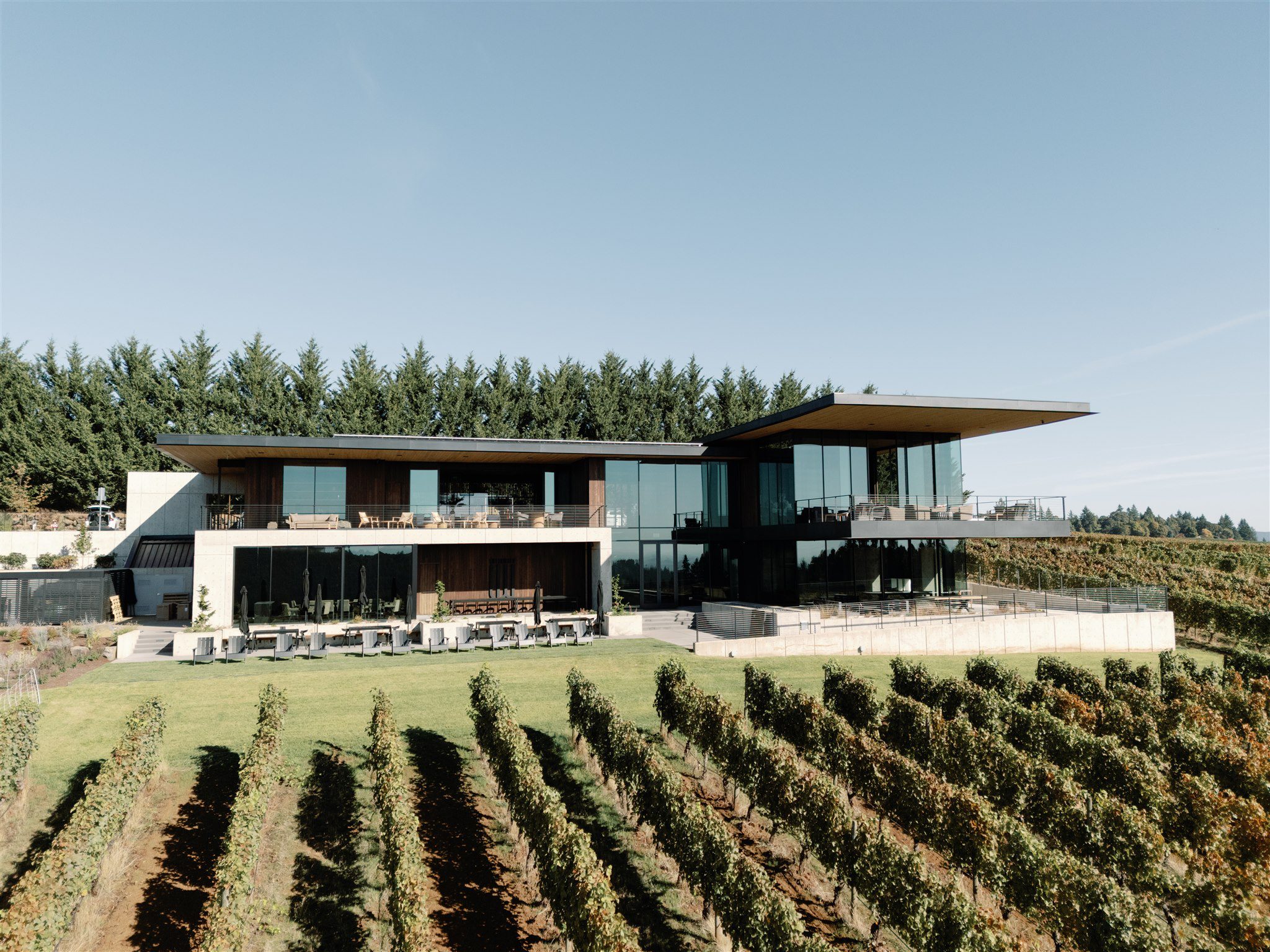
There is also a distinct difference between wine country and coastal weddings. Coastal weddings often carry a sense of lightness and open-air ease. A wine country wedding is more grounded and centered around a slower pace. In addition, the sense of intimacy found among the vineyards is difficult to recreate on a coastline or in a city.
Luxury weddings rarely become exceptional because of one grand decision. Hundreds of quiet decisions made months in advance shape them: how guests move, where the light falls, when transportation departs, where cocktails begin, and what happens if the weather changes. That’s the work no one notices when it’s done well.
The Importance of Guest Experiences
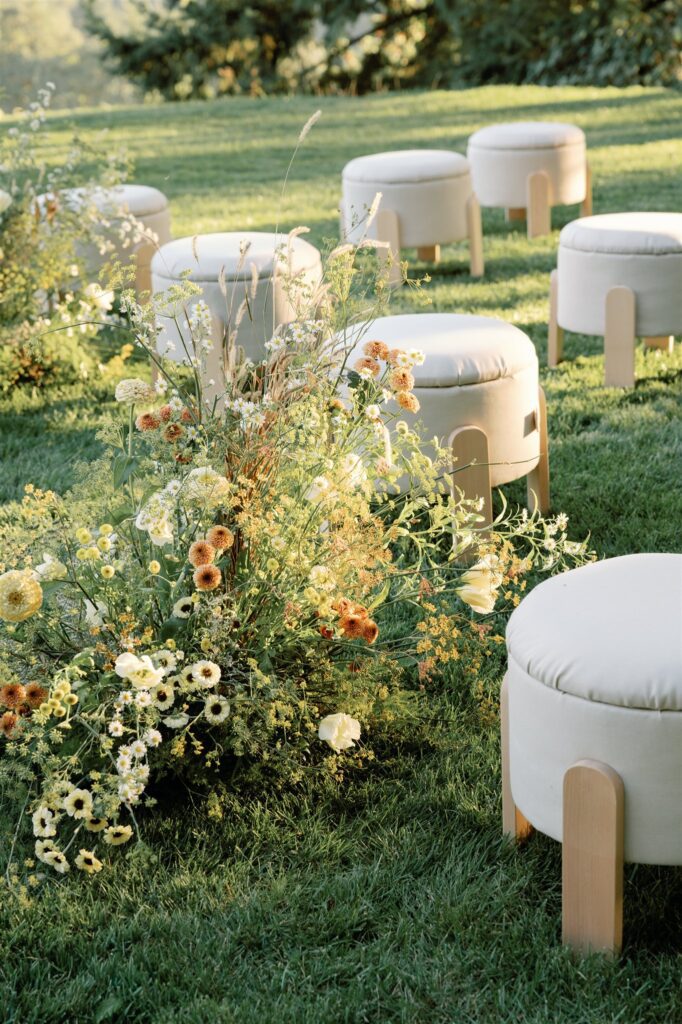
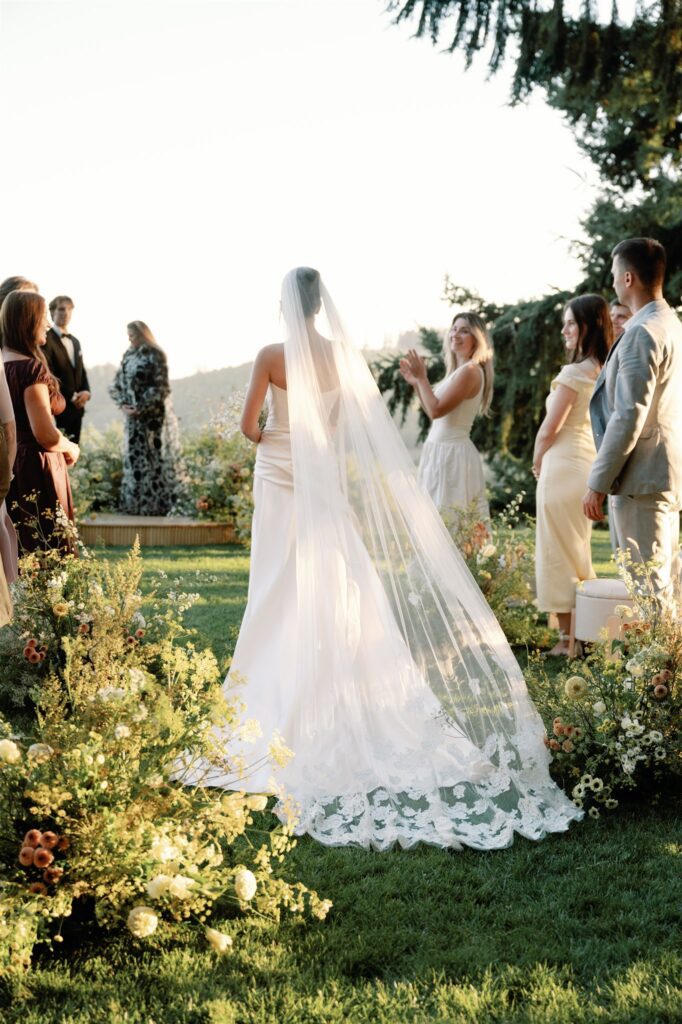
When planning a wine country wedding, guest experience easily becomes the most important element. When guests are traveling in for a full wedding weekend, planning has to strike a balance of generosity without feeling overproduced. The movement of the weekend matters. How guests arrive, where they stay, and how they are transported all shape the overall flow of the celebration. So does the timing of each event and the space between these moments.
Wine country moves at a slower pace, but that ease still has to be designed with care. Guests should feel guided and considered throughout the weekend. They should know where they are going, how they are getting there, and what each event is meant to feel like. A welcome dinner may introduce the venue and landscape, the wedding day may carry more formality, and the farewell brunch might be a softer end of the weekend. Each event should have its own purpose, but the full weekend should feel cohesive. Nothing should feel like it’s being added simply for the sake of filling time. In wine country, especially, the most beautiful destination wedding weekends often have breathing room.
This is where a wine country wedding planner plays such an important role. The guest experience is not only about what guests see, but how they feel moving through the weekend. When the pacing, transportation, timing and design are all considered together, the celebration feels warm, refined and easy to experience.
The Level of Planning Required to Execute a Seamless Multi-Day Wedding
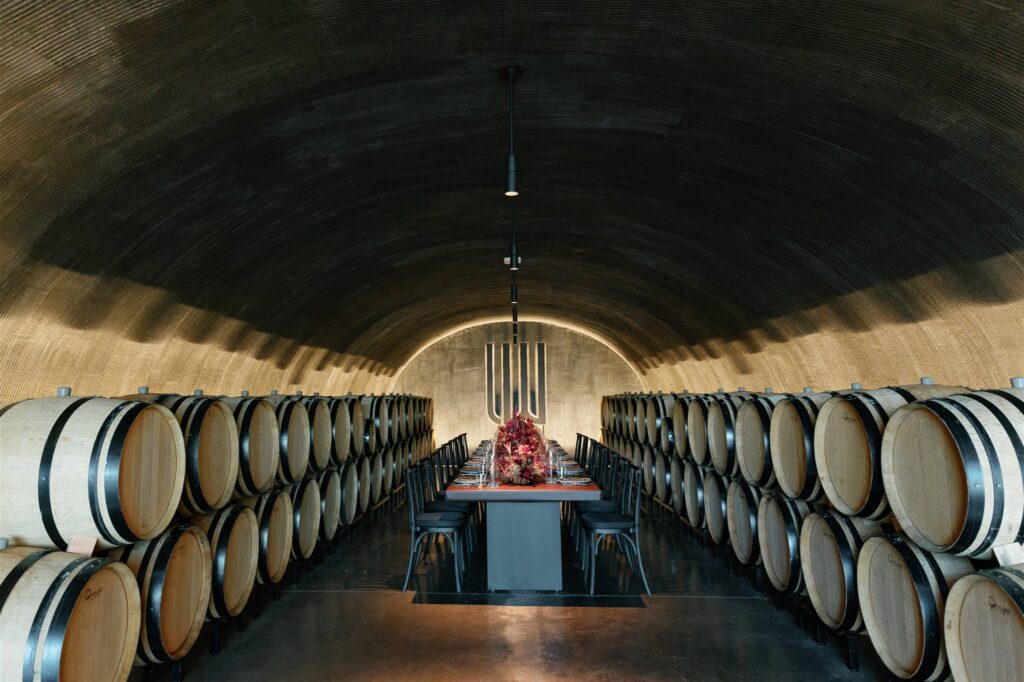
A wine country wedding may feel relaxed and atmospheric from the outside, but the planning itself is highly detailed. Vineyard venues and estate properties often require a strong logistical foundation, particularly when working in outdoor or semi-raw spaces. Permits, timing restrictions, vendor access, transportation, weather, noise considerations, rental infrastructure, catering needs, and guest flow all need attention early in the planning process. These details shape what is possible and how the event will function.
Transportation, Timing, and Design
Transportation is especially important in wine country. Distances between hotels, vineyards, estates and event spaces can be greater than guests typically expect. A strong transportation plan from your wine country wedding planner will allow the weekend to feel seamless and remove unnecessary stress from the couple and guests.
Timing is equally important. Wine country light changes beautifully throughout the day, but the flow of the event must be planned around more than photography. Ceremony timing, cocktail hour, dinner service, speeches, sunset, temperature changes and transitions into dancing all need to work together. This is where the value of an experienced wine country wedding planner becomes clear. A planner is not only managing details but also protecting the experience.
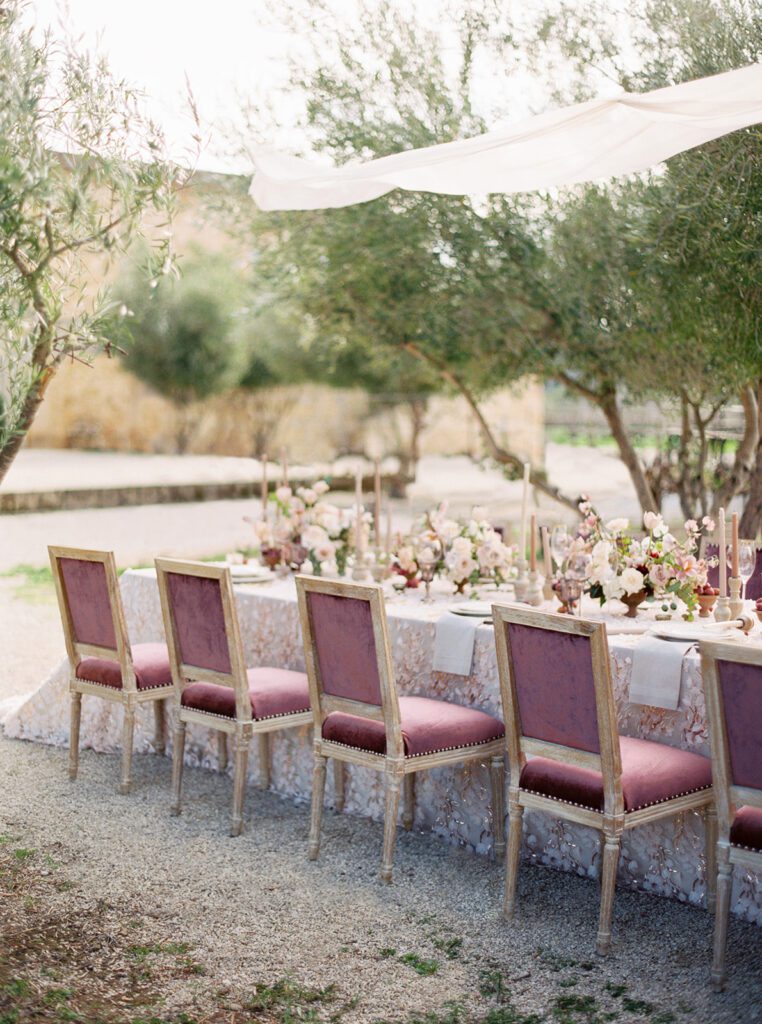
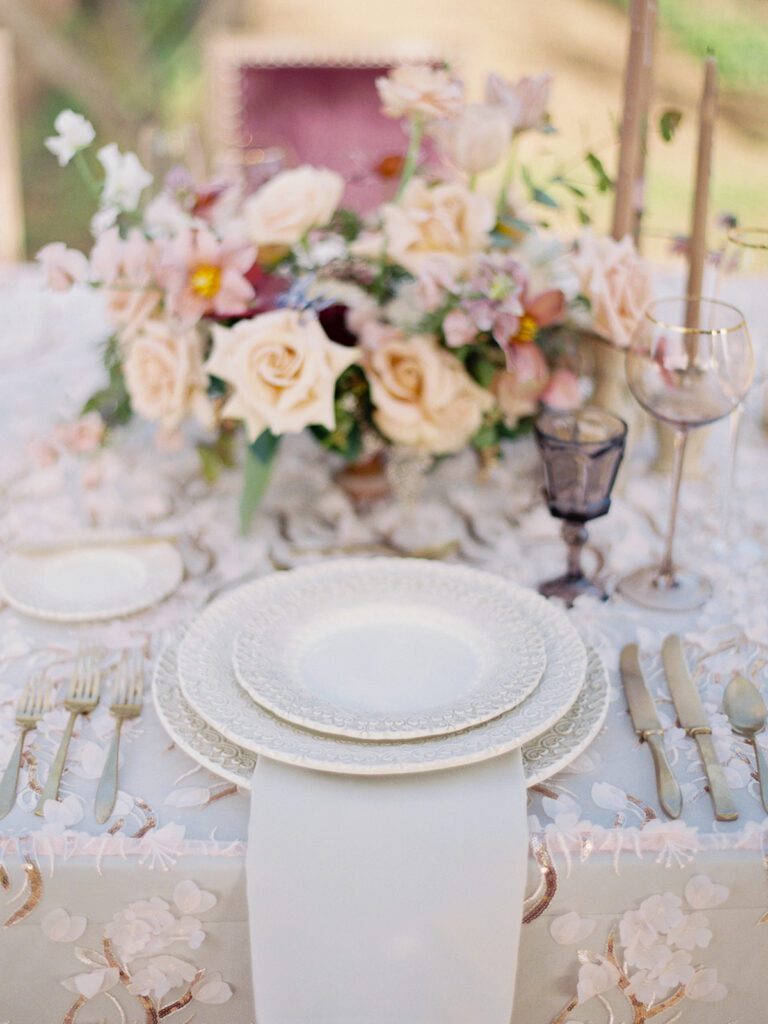
Finally, design can separate any strong wine country destination wedding from a truly memorable one. Wine country naturally has its own design language. The landscape provides natural textures and seasonal color palettes that can be seamlessly incorporated into wedding design. Soft neutrals, muted earth tones, deep greens, warm whites, soft blush, and richer shades can all feel at home among the vineyards, depending on the time or year and the property itself. The goal is never to force a concept into the space, but to create a visual direction that feels as though it belongs there.
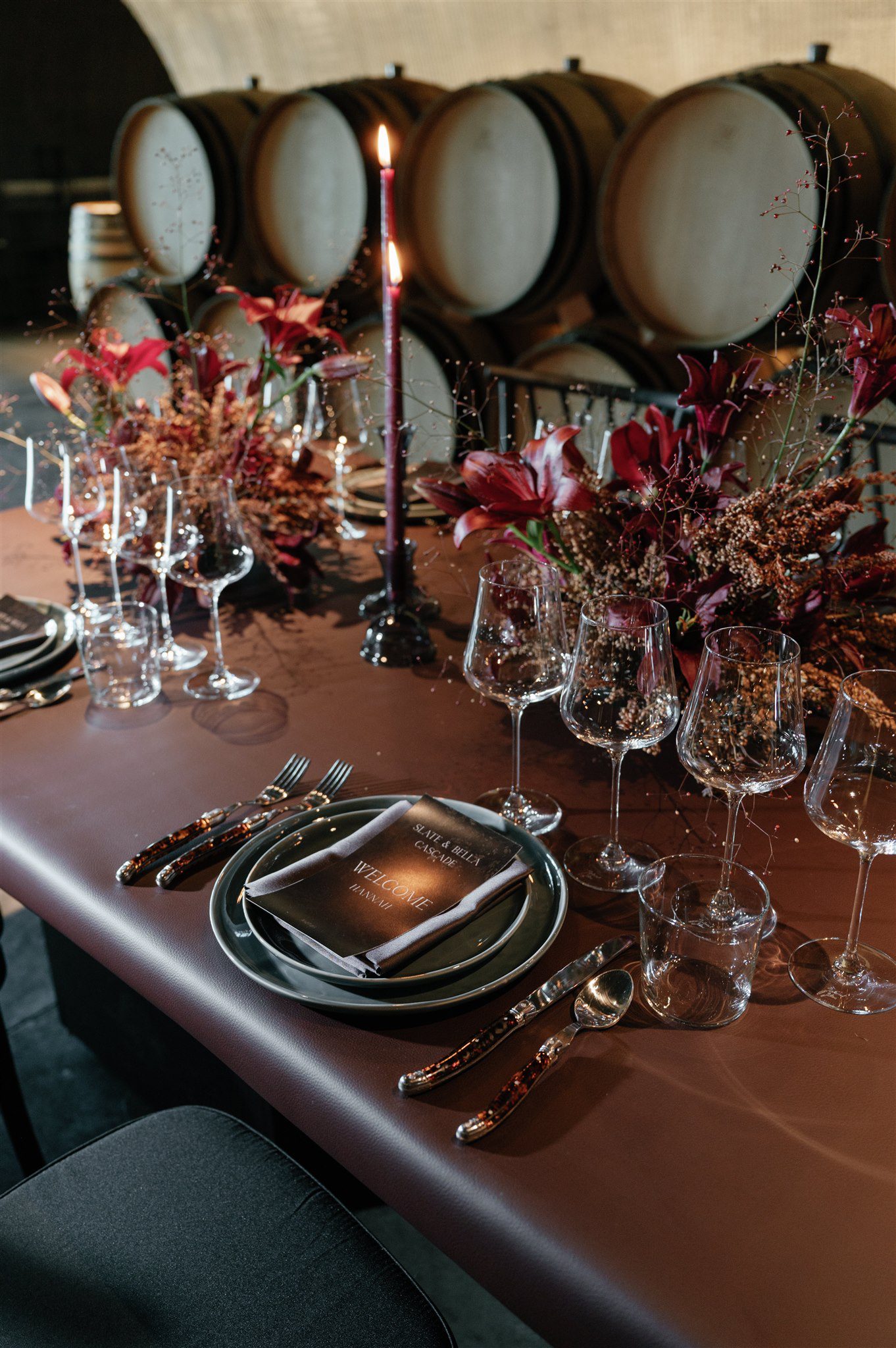
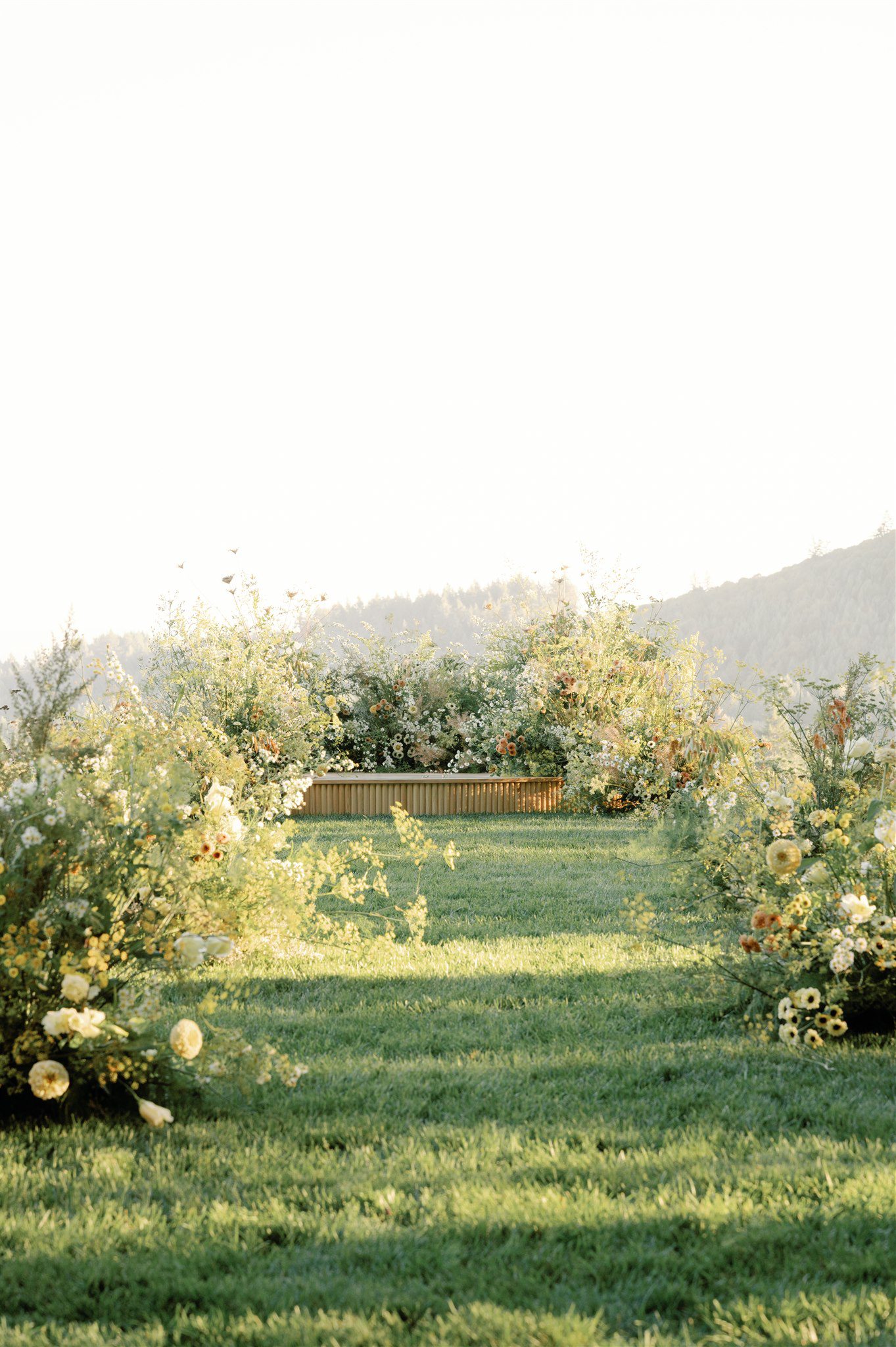
At Yuliya Supin Design, we approach every luxury wine country wedding with a deep respect for place, the couple’s vision, and the guest experience. If you’re envisioning a wine country wedding, I’d love to help you create a wedding weekend that feels every bit as effortless as it looks.
Frequently Asked Questions
How far in advance do wine country venues typically book up?
The most sought-after properties are often reserved twelve to eighteen months ahead, sometimes longer for a specific season or weekend. If you have a venue in mind, the earlier you reach out, the more flexibility you’ll have.
How many days should guests plan to be there for a wine country wedding weekend?
Most couples plan for a Friday welcome event, a Saturday ceremony and reception, and a Sunday farewell brunch, which means guests should plan to arrive Thursday. Landing Friday and heading straight into a welcome event can still work, but it’s tight, going from the plane to the party. Arriving a day early gives everyone time to settle in before the celebration begins.
Should we choose a single venue or move between locations for the ceremony, reception, and guest activities?
Both work well, and the right choice depends on your guest list and the property itself. A single venue simplifies logistics, while moving between locations can add variety, though it requires more careful transportation planning.
What happens if a vendor cancels close to the wedding?
It happens rarely, but we plan for it. Every vendor category has a backup identified before contracts are signed, so if something falls through close to the date, we already know who to call and how quickly they can step in. You’re never the one scrambling to solve it.
Do I need to worry about heat or wildfire season when planning a wine country wedding?
Late summer and early fall can bring higher temperatures and, in some years, wildfire smoke. We build weather and air quality contingencies into the planning timeline so you have options in place well before the day arrives.
Is a wine country wedding actually more expensive than a city wedding?
Not necessarily. Costs shift rather than increase: transportation and lodging take on a larger share, while venue rental and catering minimums are often more reasonable than in a major city. A clear budget conversation early on shows you exactly where your investment is going.
What happens if it rains?
Every outdoor plan should have a covered or indoor backup built in from the start, not arranged the week of. We confirm this with the venue during the planning process, and a beautifully designed tent, a sailcloth tent, for example, isn’t just a backup plan. It can become part of the atmosphere itself, so a change in weather still feels like an exceptional experience rather than a compromise.
How do guests get around if they don’t want to rent a car?
We typically arrange scheduled shuttles between the hotel and each event, so guests can enjoy the weekend without needing their own transportation.
Do we need to block hotel rooms, and how does lodging work across a multi-day weekend?
Yes, we recommend reserving a room block early, especially during peak season when local hotels fill quickly. We work with a preferred travel partner team who handles the negotiation, secures competitive rates, and gives our clients priority booking, so you’re not managing that process yourself.
VENDORS
Planning, Design & Creative Direction: Yuliya Supin Design | Photography: Auburn Photography | Floral Design: Ivy & Sage Floral | Videography: Alesia Films | Venue: Lucid Wild Estate (Oregon) | Hair: Diana Kosh Beauty | Makeup: Anastasia Bez | Content Creation: Only Imagine Content | Linens & Chairs: Arden Event Collective | Plates: Crate and Barrel | Stationery: Iren Creations Co | Groom Fashion: All Saints & Men’s Wearhouse | Men’s accessories: John Helmer Haberdasher | Dress Shop: A & Be Bridal Shop | Dress Designer: Saint Bridal | Jewelry: Sherries Jewelry Box | Transportation: Mercedes-Benz Wilsonville | Travel: CI Azumano Travel | Cake: Mariia Cakes | For the Sunstone Winery imagery — Photography: Sean Thomas Photo | Venue: Sunstone Winery | Hair & Makeup: Beauty Bespoken | Gown: Claire Pettibone | Men’s Tux: Friar Tux | Jewelry: All About Romance


